How Many Hours of Wedding Photography Do You Need? | Autumn Harrison
How Many Hours of Wedding Photography Do You Actually Need?
There isn’t one perfect number of hours that works for every wedding. Some days need six hours, while others genuinely need eight or ten. The right amount of coverage depends less on the size of your wedding and more on how the day is actually unfolding.
After photographing weddings over 400+ couples, I’ve learned that more coverage doesn’t automatically mean a better gallery. What matters is having enough time to photograph the parts of the day that will actually mean something to you later.
Start With What You Want to Remember
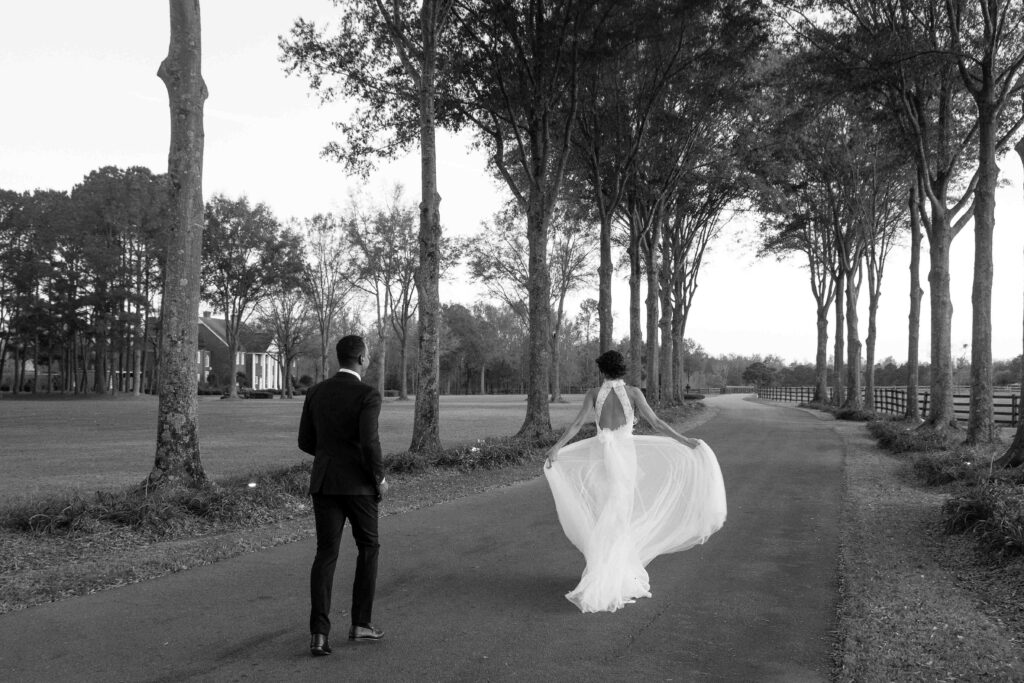
Before choosing a photography package, think about where you want the story to begin and end. Getting ready, the ceremony, portraits, speeches, first dances, and the beginning of the reception can all be important parts of the story.
A wedding with multiple locations will also need more breathing room than a wedding happening entirely at one venue. Travel, parking, family photographs, and simply moving people from one place to another all take time.
That’s why I build photography timelines around the wedding instead of trying to make the wedding fit perfectly inside a predetermined number of hours.
Six, Eight, or Ten Hours?
Six hours can work beautifully for a smaller or more streamlined celebration. If everything happens in one location and you don’t need extensive getting-ready coverage, it can be plenty.
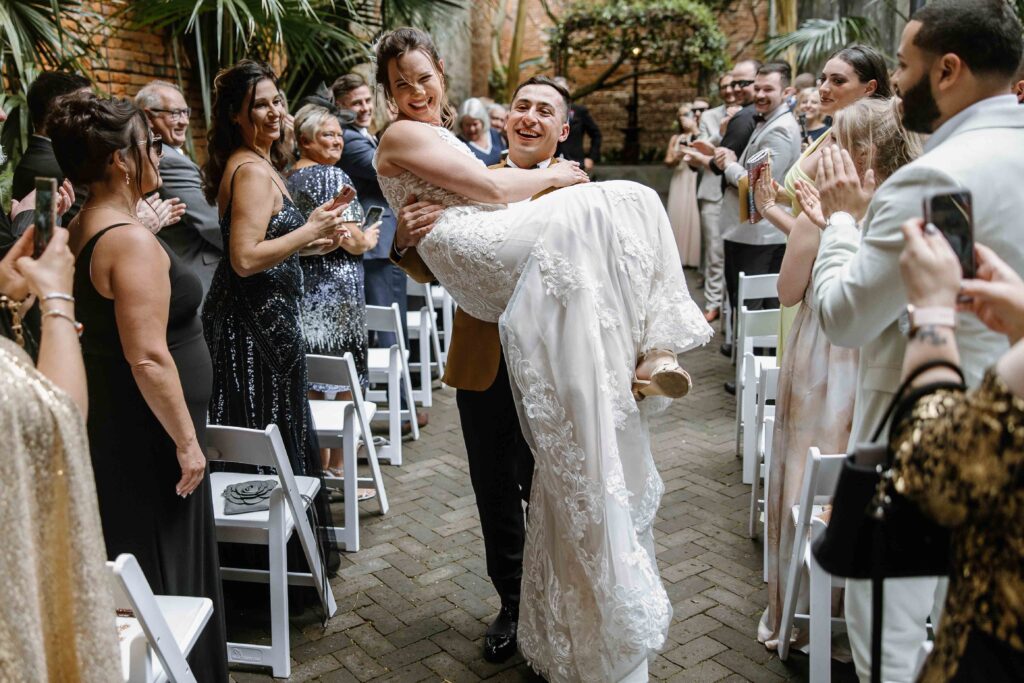
Eight hours tends to work well for most full wedding days. It gives us time for getting ready, portraits, the ceremony, cocktail hour, reception traditions, and enough of the party to capture what it actually felt like.
Ten hours or more usually makes the most sense when there are multiple locations, cultural traditions, outfit changes, a larger wedding party, or meaningful events happening later in the evening.
The goal isn’t to fill every hour with photographs. It’s to give the story enough space to happen.
More Dance Floor Photos Aren’t Always Better
This is something couples don’t always think about when deciding how long they need their photographer at the reception.
Once the dance floor gets going, we absolutely want to photograph it. Those images are fun, chaotic, and part of what the night felt like. But there comes a point where another hour of dance floor coverage can start producing a lot of very similar photographs.
And realistically, those usually aren’t the images couples are printing large for their walls or filling their wedding album with.
Something couples should consider is to use some of that time more intentionally.
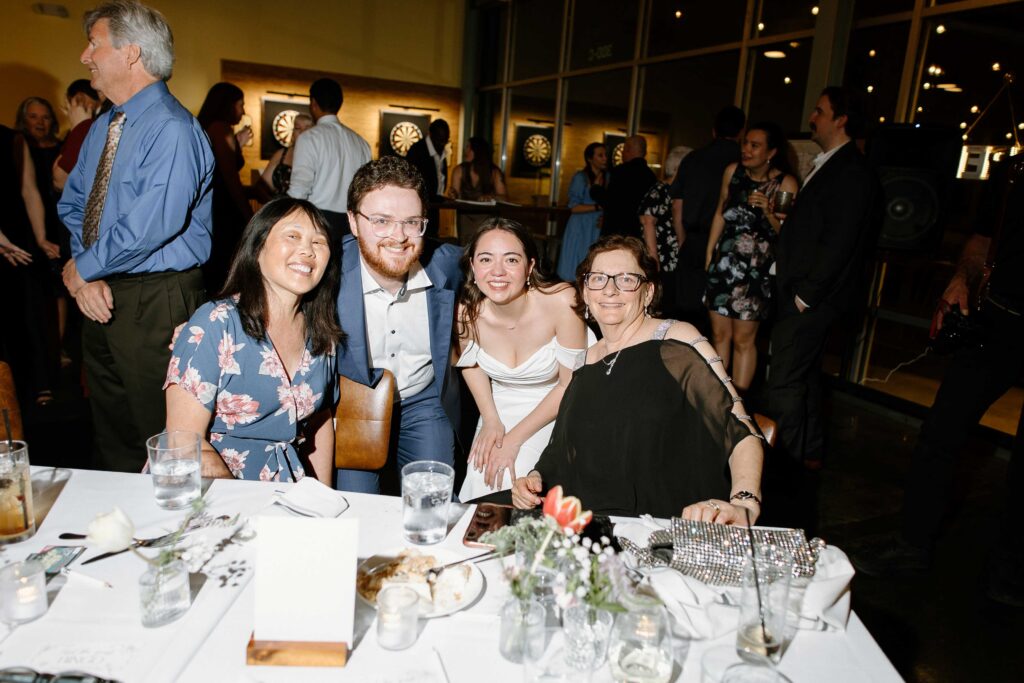
One thing I love is creating a dedicated window during the reception where we stay nearby and let guests come over for photographs with the couple. No formal family-photo list. No pulling people away from conversations. Just an easy opportunity for your college friends, cousins, grandparents, coworkers, or whoever else you love to grab a photograph with you.
Those photographs often become incredibly valuable because they document who was there with you, not just what happened on the dance floor.
A First Look Can Change the Timeline
A first look can also change how much coverage you need. When we photograph couple portraits, the wedding party, and sometimes family photographs before the ceremony, there is often much more room later in the day.
That doesn’t mean you should do a first look simply to save time. It should always come down to how you want your wedding to feel.
I talk more about that in Should You Do a First Look? Here’s What Couples Don’t Always Consider.
So, How Many Hours Do You Need?
For most full wedding days, eight to ten hours gives us plenty of room to tell the story without photographing things simply because the clock is still running.
Ultimately, I’d rather give you a gallery filled with photographs that become more valuable over time than hundreds of additional images that all feel the same.
Your wedding photography shouldn’t be about collecting the largest number of photographs possible.
It should be about preserving the right ones.